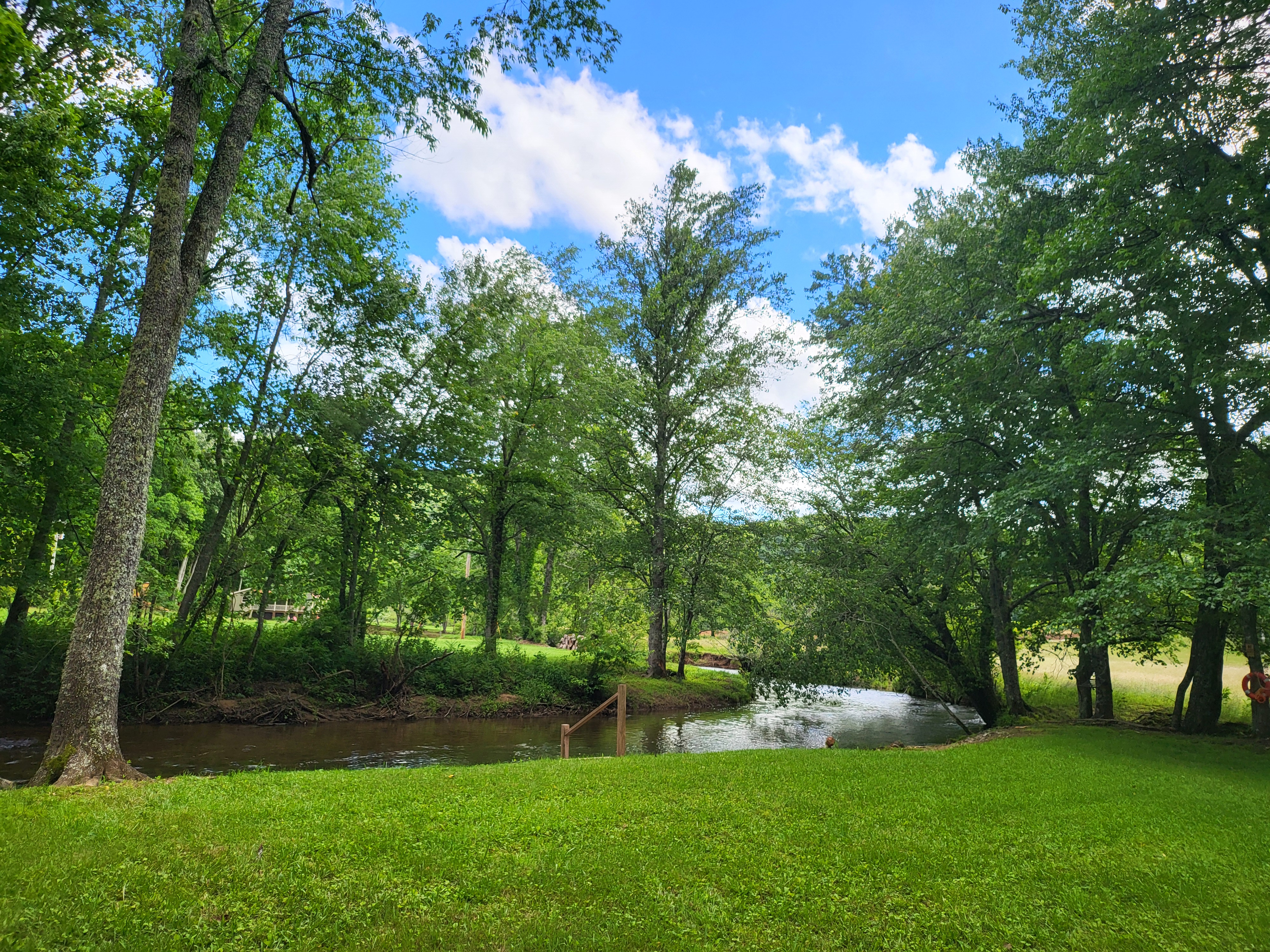
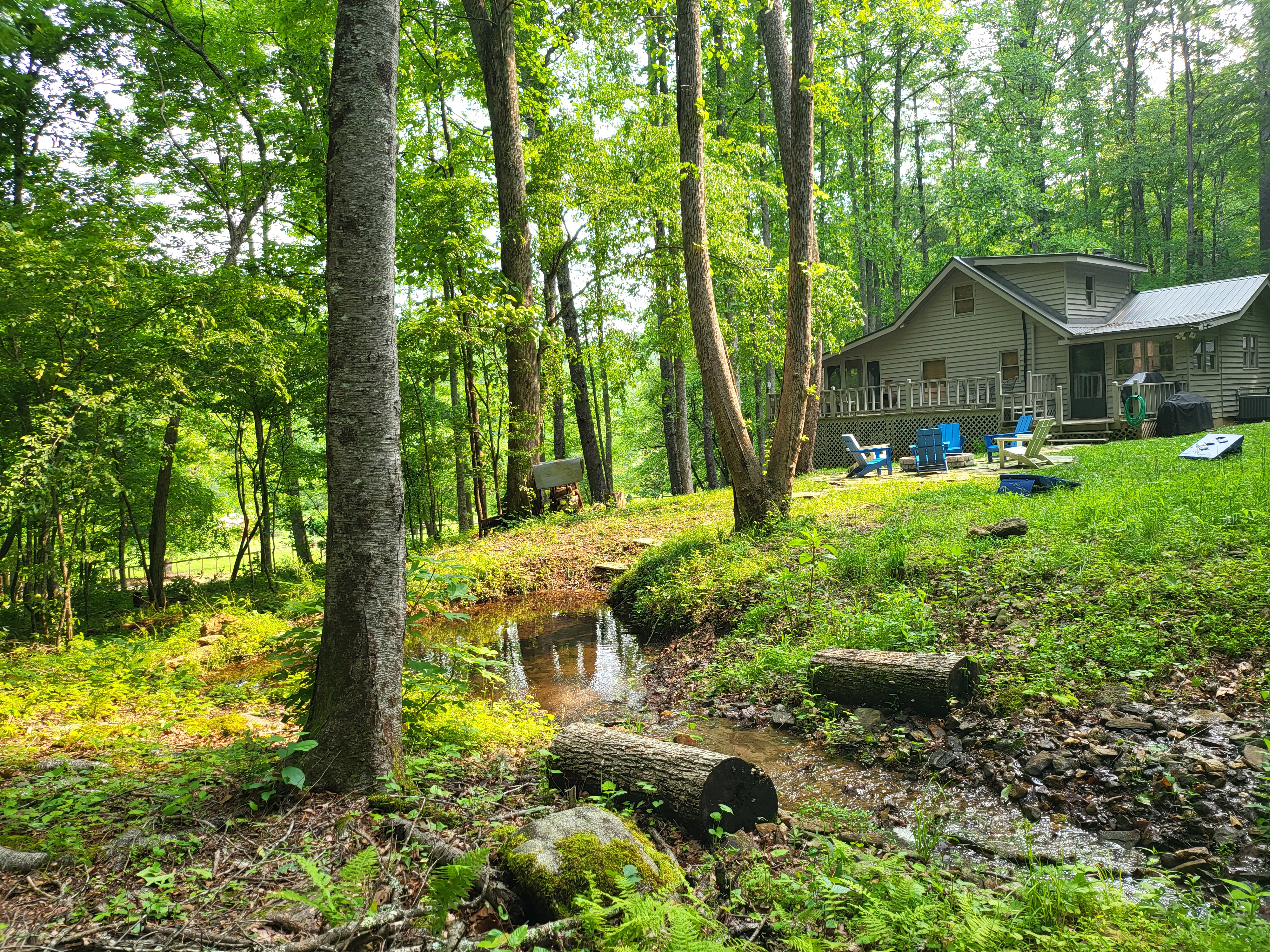
The Chattahoochee National Forest covers more than 750,000 acres across the North Georgia mountains. It is not a single park with a gate and a visitor center. It is the landscape itself. Trails, rivers, recreation areas, wildlife, and mountain roads that run through it in every direction. Suches sits inside it.
Most people who visit North Georgia are already in the forest without knowing it. Here is what it holds.
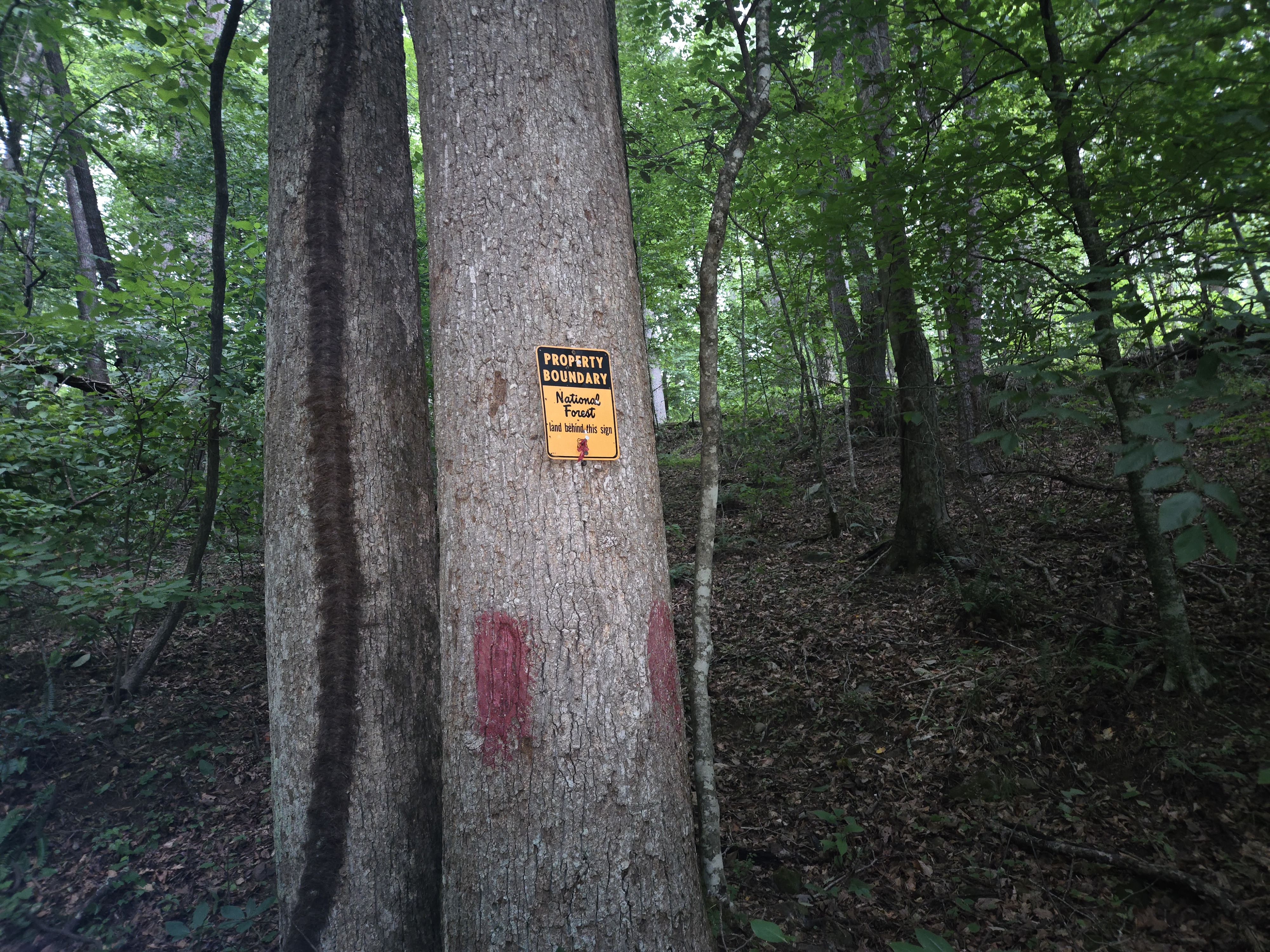
National Forest boundary and trail blaze at the back edge of Headwaters. That sign is where the cabin ends and the forest begins.
Your North Georgia mountain getaway is waiting. Bring your dog. Pack your rod. Leave your stress.
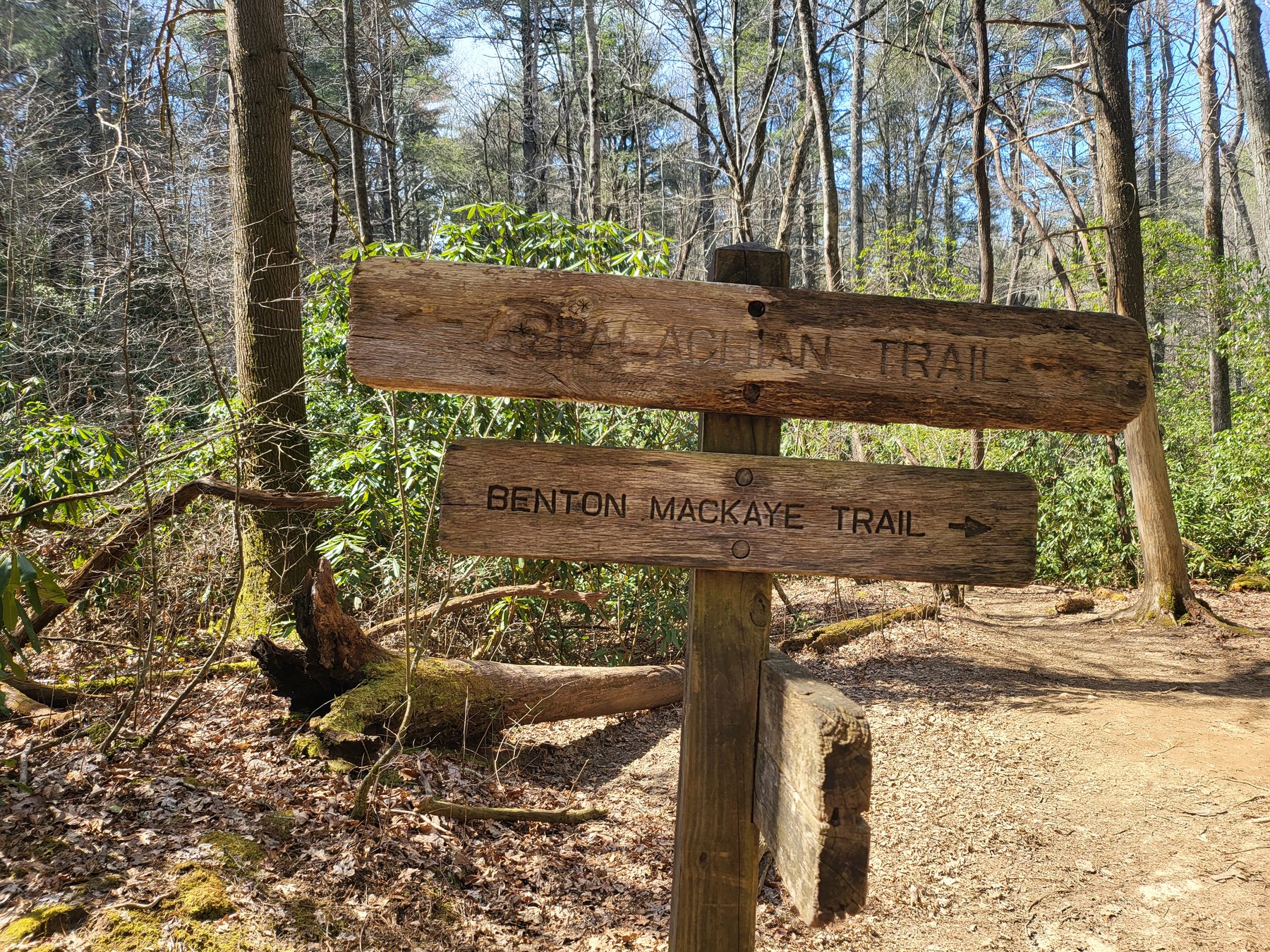
Two of the Southeast's premier long trails run through the forest. The Appalachian Trail enters Georgia at Springer Mountain and follows the ridgeline north through Blood Mountain and Woody Gap, minutes from Suches. The Benton MacKaye Trail runs a wilder, quieter parallel route through river valleys and remote ridges with far less foot traffic.
Both are accessible as day hikes. Neither requires a permit. Woody Gap on GA-60 is the closest AT trailhead to Suches. The Toccoa River Swinging Bridge on Duncan Bridge Road is the most popular BMT access point near Suches and worth a visit on its own.
The national forest is the reason North Georgia has world-class trout fishing. Cold headwater streams fed by forest elevation hold trout year-round. The Toccoa River, Coopers Creek, and Noontootla Creek are all entirely or partially within forest boundaries and managed as designated trout waters.
Deep Hole Recreation Area on the Toccoa River in Suches is a USFS recreation area and canoe launch with good river access for fishing the pools above and below. The Chattahoochee Forest Fish Hatchery in Suches stocks many of the surrounding streams directly.
Toccoa River: designated blue ribbon trout stream, stocked by Georgia DNR
Coopers Creek: rainbow and brown trout, multiple Forest Service access points
Noontootla Creek: trophy catch-and-release, wild brown trout, fly fishing only on most sections
Georgia fishing license and trout license required on designated trout waters
The Toccoa River Canoe Trail is a USFS-designated water trail that runs 13.8 miles from Deep Hole Recreation Area in Suches downstream to Sandy Bottoms Recreation Area. The trail runs through a mix of Class I and II rapids and long flat-water pools through the national forest. It is one of the more complete river experiences in the Southeast that you can do in a single day.
13.8-mile canoe trail from Deep Hole to Sandy Bottoms
Shorter floats possible from intermediate access points
Swimming
Toccoa River Sandy Bottoms Recreation Area is a USFS day-use area on the Toccoa River that offers swimming, boating, fishing, and picnicking with a sandy river beach and a paved boat launch. It is the only USFS site in the area where swimming is explicitly designated. The Toccoa River near Suches is a cold, clear mountain stream excellent for wading, river sitting, and tubing on calmer days.
Waterfalls
Most of North Georgia's waterfalls sit on national forest land or within forest-adjacent state parks. Sea Creek Falls, Long Creek Falls, and Helton Falls are all within close range of Suches and accessible by short hikes through the forest. DeSoto Falls in the Chestatee River watershed is a longer drive but a standout destination. Amicalola Falls, the approach trail for Springer Mountain, is just outside the forest boundary to the south.
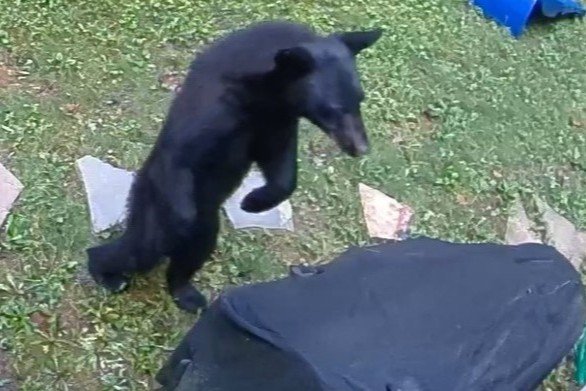
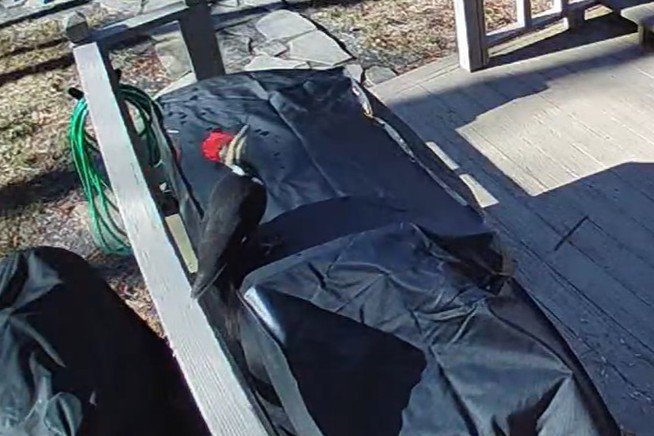
The forest supports one of the densest black bear populations in the eastern United States. In the mountains around Suches, bear sightings are common year-round. White-tailed deer, wild turkey, red and gray fox, coyote, raccoon, and a wide range of birds including pileated woodpecker and great blue heron are all regular presences in and around the forest.
The Toccoa River corridor in particular sees heavy wildlife activity. Early morning and dusk are the most active times. If you are staying at a cabin in Suches, something will move through the yard or along the river bank before you finish your first cup of coffee.
See the cabin wildlife guide for confirmed sightings near Suches and what to know about living alongside black bear in North Georgia.
Motorcycling
The mountain roads through and around the Chattahoochee National Forest are among the best motorcycle roads in the Southeast. Wolf Pen Gap Road runs directly through the forest on the ridge above Suches. Georgia's Dragon on GA-60 follows the Toccoa River downstream through tight curves and elevation change. The Suches Loop connects these roads into one of the most concentrated riding areas in the state.
Several WMAs sit within or adjacent to the national forest and offer additional hunting and fishing access on public land. Coopers Creek WMA contains miles of stream fishing beyond the main recreation area. Blue Ridge WMA in Fannin County covers streams draining into the Toccoa River watershed. Hunting seasons and regulations vary by WMA and by game species.
The Chattahoochee National Forest is one of the best places in the Southeast for fall foliage. The mix of hardwood species across a wide elevation range produces color that starts on the high ridges in early October and works down into the valleys through the end of the month. Peak color in Suches typically runs mid to late October. The forest roads are at their most scenic during this window and the crowds that come with it. Book early if you plan to visit in October.
Frequently Asked Questions
Is the Chattahoochee National Forest free to visit?
Most of the forest is free to access. Some developed recreation areas, including Deep Hole and Sandy Bottoms, may charge a day-use fee. Check the USFS website for current fees before your visit.
Are dogs allowed in the Chattahoochee National Forest?
Yes. Dogs are welcome on national forest trails and at most recreation areas. Keep them under control and be prepared for wildlife encounters, particularly in areas with bear activity. Dogs are required to be on leash at developed recreation sites.
Do I need a permit to hike in the Chattahoochee National Forest?
No permit is required for day hiking on national forest trails, including the Appalachian Trail and Benton MacKaye Trail. Check the USFS Chattahoochee-Oconee National Forest website for current regulations before your trip.
What wildlife might I see in the Chattahoochee National Forest near Suches?
Black bear, white-tailed deer, wild turkey, red and gray fox, coyote, raccoon, and birds including pileated woodpecker and great blue heron are all present in the forest around Suches. Black bear are common in Union and Fannin counties and active year-round.
The Forest Starts at the Back Door
Two dog-friendly cabins in Suches, Georgia, at the edge of the Chattahoochee National Forest. One sits on the Toccoa River. The other has exclusive community river access. Everything on this list is within range.